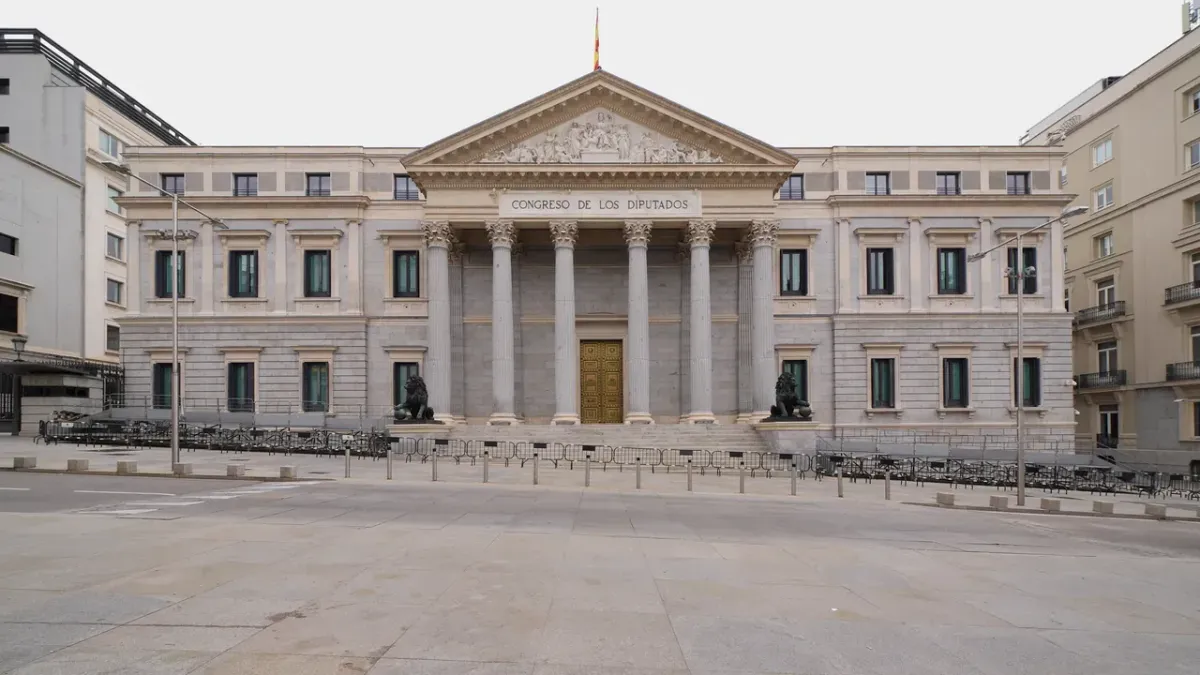
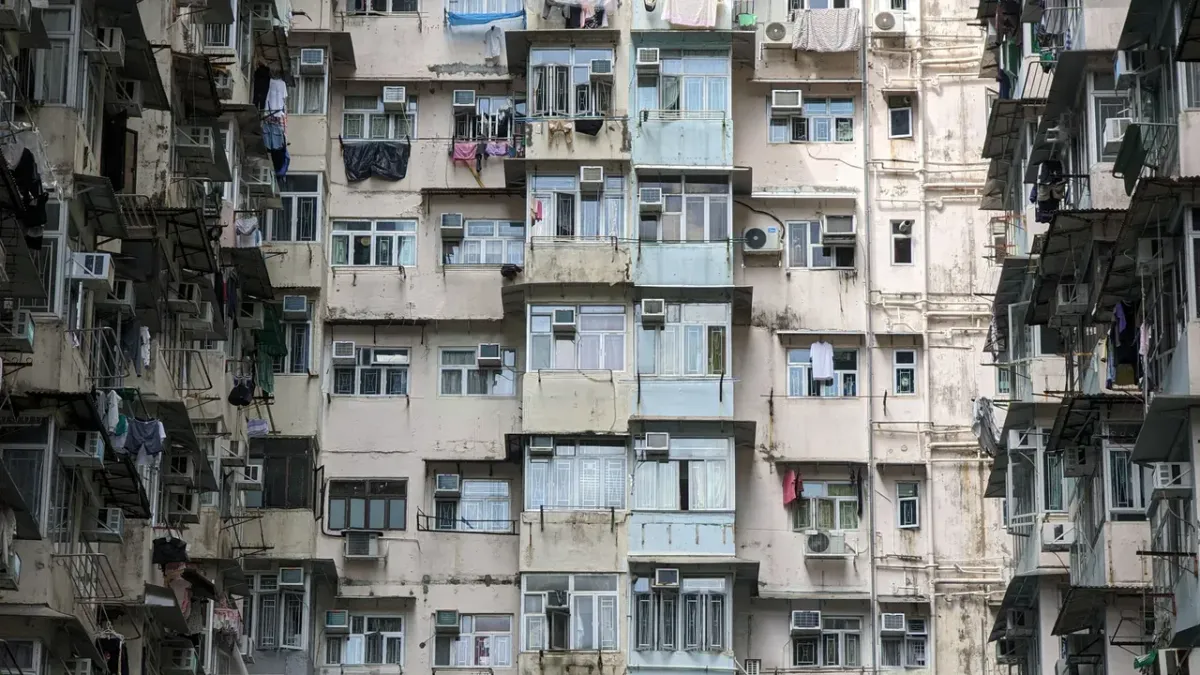
Spain is facing a significant shortfall in its social housing stock, with public housing currently accounting for just 3.5% of the total market. According to the Bank of Spain’s 2025 report, this equates to only one in every 65 homes in the country being publicly owned. The figure places Spain well behind its European neighbours, such as the United Kingdom, where public housing makes up 16.4% of the stock, and the Netherlands, which leads the continent at 34%.
A sharp decline from the 1980s peak
The current scarcity marks a dramatic reversal from the 1980s, when protected housing was a cornerstone of Spanish residential construction. Starting in 1982, protected homes represented more than 55% of the total housing stock, eventually exceeding 60% between 1984 and 1987. The sector reached its zenith in 1985, when 114,067 protected units were completed, accounting for 67.2% of all new homes. However, this momentum collapsed in the following decades; by 2002, the share had plummeted to 7.2%, reaching a record low in 2017 when only 4,938 homes were finished.
Ambitious targets for recovery
In response to the deficit, the Spanish Government, led by Isabel Rodríguez at the Ministry of Housing and Urban Agenda, has set a long-term target to increase the public housing share to 20% within the next 20 years. A medium-term goal has also been established to reach 9%, bringing Spain closer to the levels seen in Austria (23.6%) and Denmark (21.5%).
Recent data suggests a gradual recovery in construction activity. After averaging just 9,000 units annually between 2015 and 2024, 11,000 protected homes were completed in 2025, with a further 15,500 units started that same year. This upward trend has continued into 2026, with 11,270 new protected homes reaching the construction phase in the first half of the year alone.