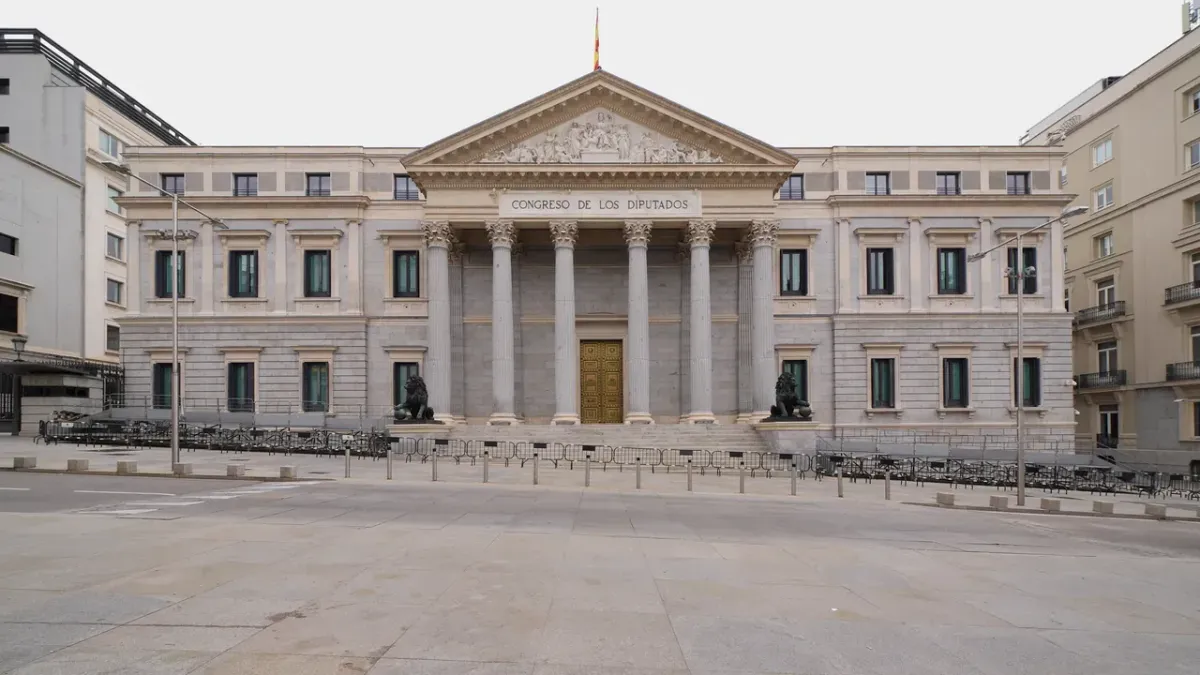
The Spanish Government is set to approve a 5.3% increase to the minimum interprofessional wage (SMI) this Tuesday, 17 November. Under the new measures, the monthly rate for 2027 will rise to 1,286 gross euros across fourteen payments, bringing the total annual gross salary to 18,004 euros. To ensure workers feel the full benefit of the uplift, the Council of Ministers will also approve fiscal adjustments to prevent the new minimum wage from being taxed.
This latest adjustment, overseen by Second Vice President and Minister of Labour Yolanda Díaz, marks a significant long-term shift in Spanish pay scales, with the minimum wage having climbed 75% since 2018. The 5.3% rise represents a middle ground between competing interests; while a commission of experts advising the Ministry of Labour recommended a 4.9% increase, the UGT and CCOO labour unions had pushed for a more substantial 7.0% hike.
Political timing and industrial friction
The decision comes at a sensitive time, with general elections scheduled for 29 November 2026. The CEOE employers' association had previously requested that any update to the SMI be delayed until December, arguing that the government resulting from the upcoming elections should lead the negotiations. However, the Ministry of Labour moved forward with the process, submitting the royal decree proposal for public consultation ten days before 16 November.
Beyond the headline wage figures, Minister Díaz has highlighted broader pressures on the Spanish workforce, noting that 2.5 million overtime hours are currently worked every week across the country. With the 2027 rates now established, the focus shifts to how these changes will be implemented following the national vote later this month.