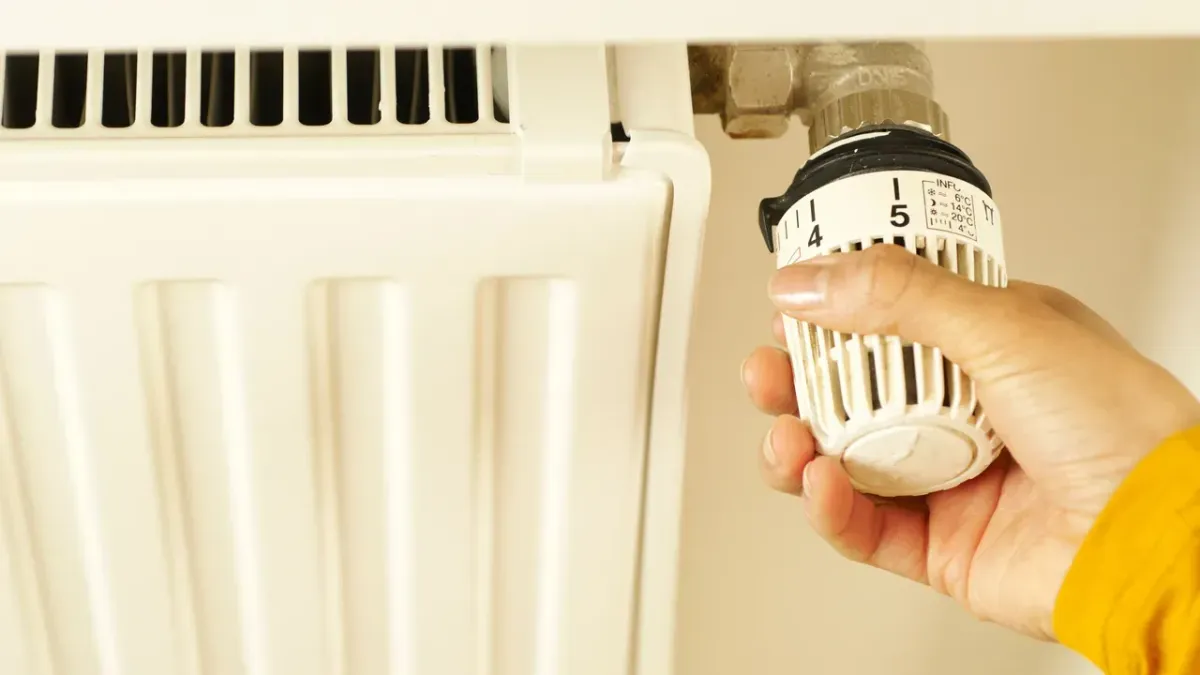
Households across Spain are facing an average annual heating bill of 640 euros, a figure that can climb as high as 1,000 euros depending on the chosen system, according to data from the OCU. As energy costs remain a primary concern for residents, many are turning to air conditioning units equipped with heat pump technology as a more efficient alternative to traditional heating methods.
The financial benefits of switching to a heat pump are significant. Utilising this technology can result in savings of approximately 30% compared to natural gas systems. The contrast is even more pronounced when compared to traditional electric radiators, where air conditioning use can reduce costs by up to 70%.
Efficiency through heat pump technology
The efficiency of these systems is measured by the Coefficient of Performance (COP), which tracks how much heat is produced relative to the electricity consumed. Unlike standard heaters, a heat pump extracts thermal energy from the outside air and transfers it indoors. This process allows a unit to generate between 3 and 4 kW of useful heat for every 1 kW of electricity used. For instance, a unit with a capacity of 4,000 kcal/h typically consumes around 1 kWh per hour when operating at full performance.
To maximise these gains, experts at expertclima recommend selecting models with energy efficiency ratings of A++ or A+++. However, technical specifications are only part of the equation; external factors such as housing insulation, outside temperatures, and device power play a critical role in overall energy consumption.
Optimising consumption and maintenance
Effective thermostat regulation is essential for maintaining efficiency. In occupied rooms, the ideal winter temperature should be set between 20 and 22 degrees Celsius, while unused spaces can be kept cooler, between 15 and 17 degrees. Proper maintenance is equally vital, as air conditioning filters naturally accumulate dust and particles that obstruct airflow and force the system to work harder. To prevent a drop in efficiency, it is recommended that filters are cleaned at least once per season.